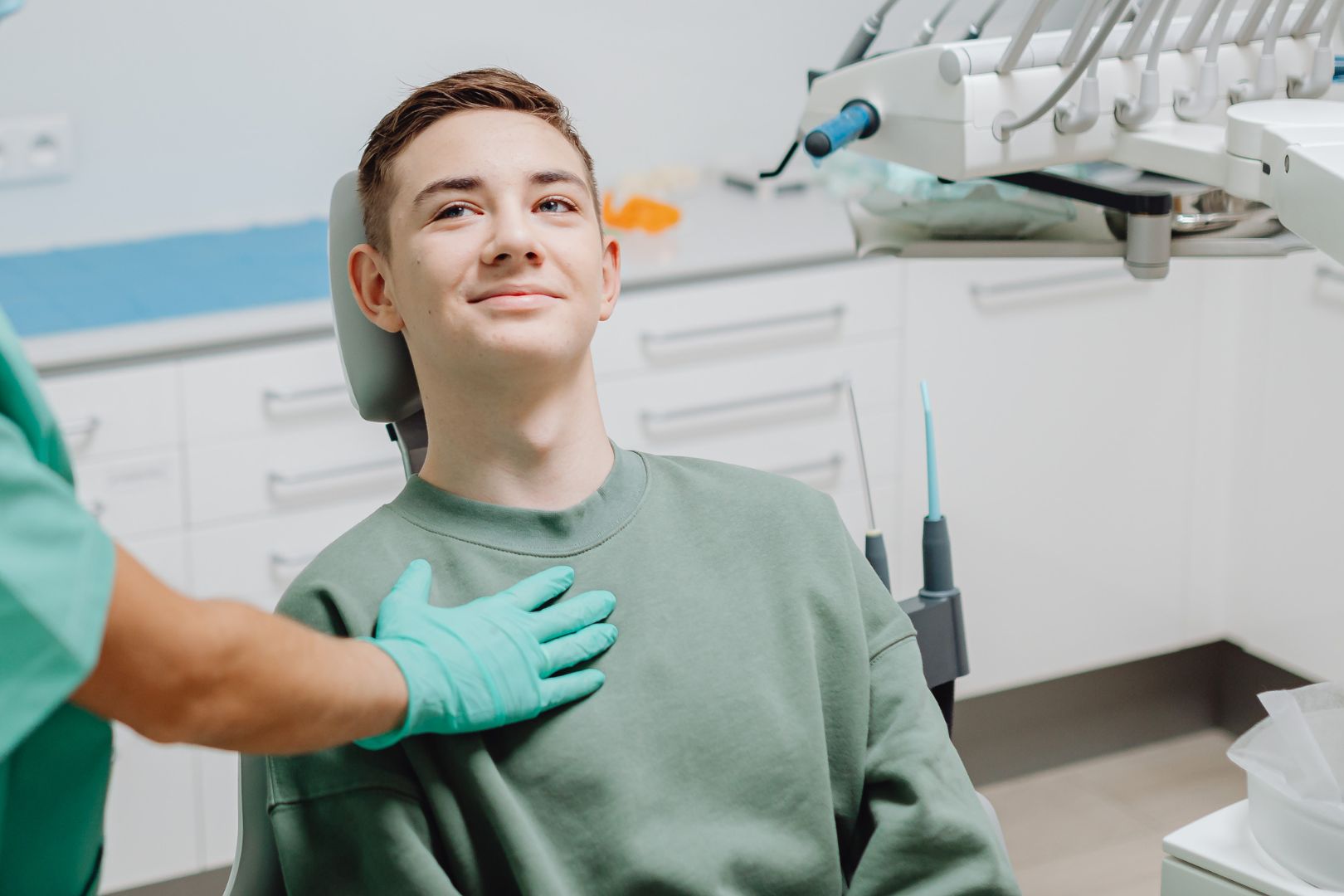
During a dental emergency, patients need help fast. A qualified dentist delivers treatment, makes a diagnosis, and creates a care plan. Pediatric dentists soothe even the youngest patients and help parents understand treatment options. Our team at Myriam Cerezo, DMD, Pediatric Dentist provides on-the-spot care if something goes wrong with your child's mouth.
Emergency Dental Services for Children
- Oral bleeding
- Knocked-out permanent teeth
- Chipped or cracked teeth
- Fractured jaw
- Severe tooth pain
- Swelling in the mouth or face
- Dental abscess or infection
"Dental emergencies can worsen quickly, and the injury may be more severe than it appears."
Recognizing Dental Emergencies in Children
Dental emergencies often occur after a fall or sports injury. Car or bicycle accidents can result in dental injuries too. A child might also cut their mouth or break a tooth while eating. Babies and toddlers often injure their mouths by chewing on objects besides food. Many dental emergencies remain clear-cut — children may have oral bleeding or visible damage. Older children can also let their parents know when they have a toothache. But diagnosing dental emergencies in young children can be tricky, as toddlers and infants usually cannot verbalize their discomfort. Watch for difficulty chewing or swallowing, refusal to eat, facial swelling, or unusual drooling.
"Notify your dental provider if your child has trouble chewing or swallowing."
When to Call 911
The loss of a permanent tooth constitutes a dental emergency. If your child's tooth has been knocked out, rinse it with clean water, then reinsert the tooth into the jaw if possible. If reinsertion is not an option, put the tooth in a glass of milk and call the dentist immediately. If the dental office is closed, call 911 or go to the nearest emergency room. Contact your dental or medical provider if your child develops swollen cheeks — facial swelling can be a sign of an infection that can spread rapidly and may be life-threatening. Head injuries also represent a reason to seek an immediate evaluation.
"If your child suffers a blow to the head, get help right away."
How to Prepare Your Child for Emergency Care
Parents and children often panic during a dental crisis. While anxiety represents a natural response to an emergency, parents need to stay calm. Children take their cues from adults. If parents remain calm, children can better manage their own emotions. If necessary, begin by administering first-aid — apply pressure to slow or stop bleeding, recover any knocked-out tooth, and if you suspect a jaw injury, gently tie a towel around your child's jaw. Next, explain that your child will need to see a doctor or dentist who will help them feel better.
"While anxiety represents a natural response to an emergency, parents need to stay calm."
Preventing Dental Emergencies
While not all dental emergencies can be prevented, parents can take steps to reduce the risk. Children who play sports should wear a properly fitted mouthguard. Avoid letting children chew on hard objects like ice, hard candy, or pencils. Ensure your child wears a seatbelt in the car. Regular dental checkups can identify weakened teeth before they break. Teaching children to be careful during play and physical activities can also help reduce the risk of dental injuries.
"Children who play sports should wear a properly fitted mouthguard."
Treatments We Offer
Toothache Relief
Prompt diagnosis and treatment of tooth pain to get your child comfortable quickly.
Knocked-Out Tooth
Emergency treatment for avulsed (knocked-out) teeth — time is critical, call us immediately.
Chipped or Broken Teeth
Repair of fractured teeth using bonding, crowns, or other appropriate treatments.
Dental Abscess Treatment
Treatment of infected teeth to eliminate pain and prevent the spread of infection.
Soft Tissue Injuries
Care for cuts and lacerations to lips, tongue, and cheeks from dental accidents.
Frequently Asked Questions
Key Terms
Avulsed Tooth
A tooth that has been completely knocked out of its socket due to trauma.
Dental Abscess
A pocket of pus caused by a bacterial infection in or around the tooth.
Dental Trauma
Any injury to the teeth, gums, or supporting bone structures of the mouth.
Mouthguard
A protective device worn over the teeth to reduce the risk of injury during sports and physical activities.
Ready to Schedule?
Our team is here to answer your questions and schedule your child's next visit.
Request Appointment (215) 942-9090Quality Pediatric Dental Services Can Transform Smiles
By visiting us as soon as possible, our team can help get your child the professional treatment they need.